
What makes an aspirational interior CGI?
How to assess the quality of your interior CGIs.
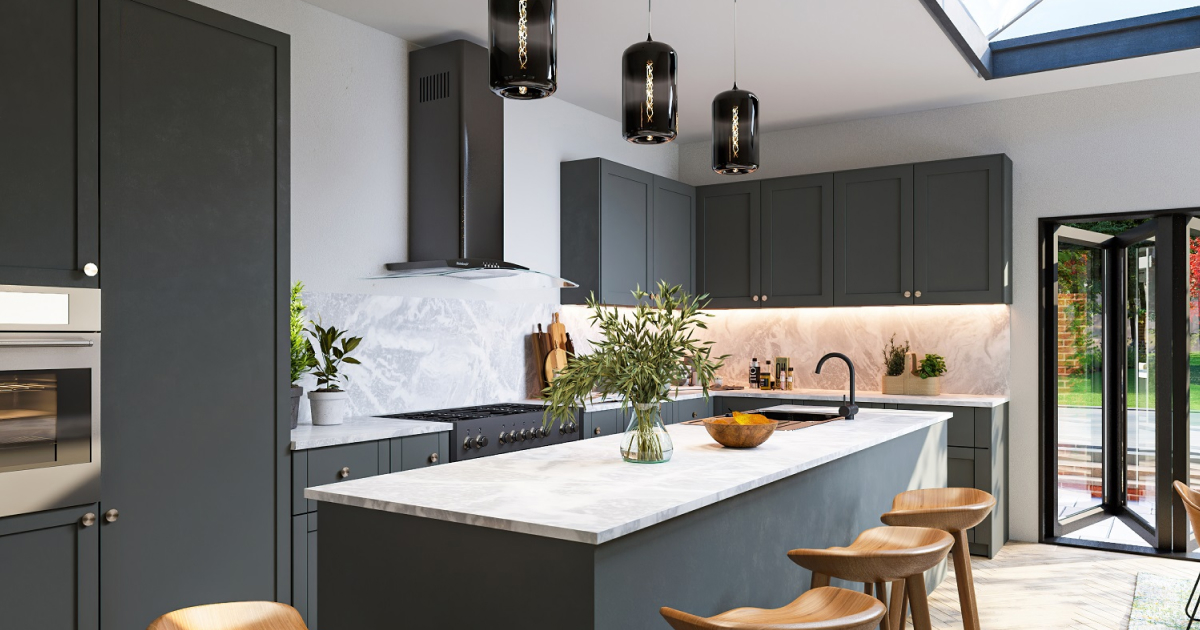
Every developer wants a great interior CGI which sells their properties effectively. But what makes a great interior CGI, and what separates the mediocre from the exceptional?
While it’s easy to tell your CGI supplier that an interior visualisation ‘looks off’, we’d like to give you some specific standards which will help you to judge the quality of the interior CGI you receive.
If you know what to look for, you can hold your supplier to account and not settle for second-rate CGI that doesn’t sell your property.
Why the focus on interior CGI?
Of course, similar guidelines could be offered for exterior CGI. However, there is another level of technical skill involved in creating interior renders, and more factors to consider.
Interior CGIs need to be visually persuasive and aspirational, impactfully capturing the imagination of your core clients. That’s why it’s important to consider the five key factors below, all of which contribute to aspirational interior CGIs that trigger the subconscious buying impulses of your target market.
Five factors that lead to a great interior CGI
1. The styling is aimed at your core market
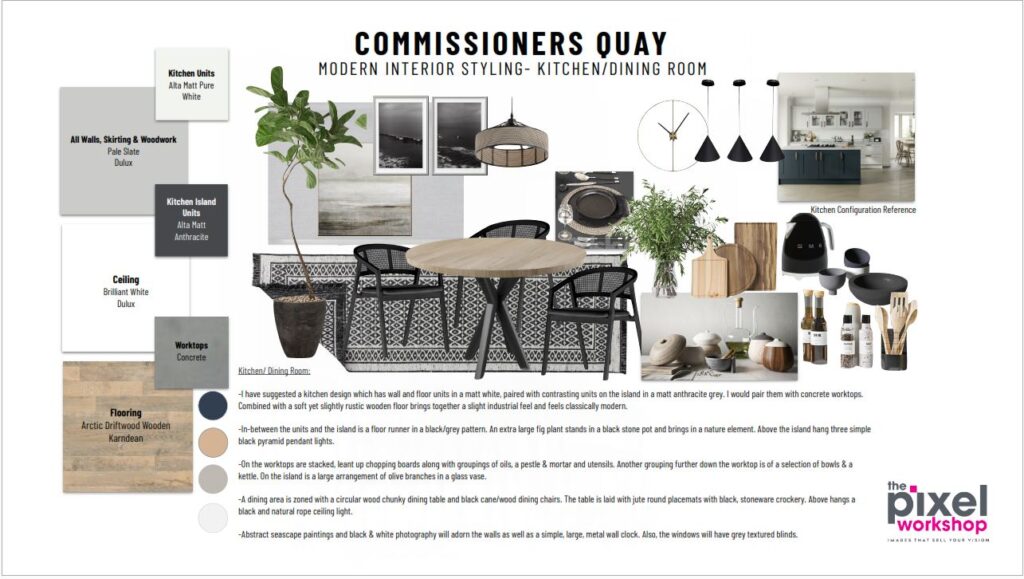
Not all CGI companies include styling as part of their production process, yet it is one of the most important factors that will differentiate a great CGI from one that just does the job. If you don’t have an interior designer creating a show home you’d like to replicate in CG, you may still have some style ideas you’d like to incorporate, or you may not have had the chance to consider the kind of styling that would best sell your property.
Whatever the situation, it’s important to check whether some form of mood-board production is included in the cost you’re being quoted, as in the example below. Even if you have some ideas about the styling, they will need to be translated into a format you can assess and sign off before the artist starts work on the project.
2. Careful choice of room and angle
The type of property you’re marketing and its market value will determine how much budget is available for the marketing imagery, so it’s important to choose carefully when picking the best bedroom or deciding between a lounge and a dining room. All the USPs need to be taken into account, as well as the configuration of the rooms themselves, as some translate better into CG than others.
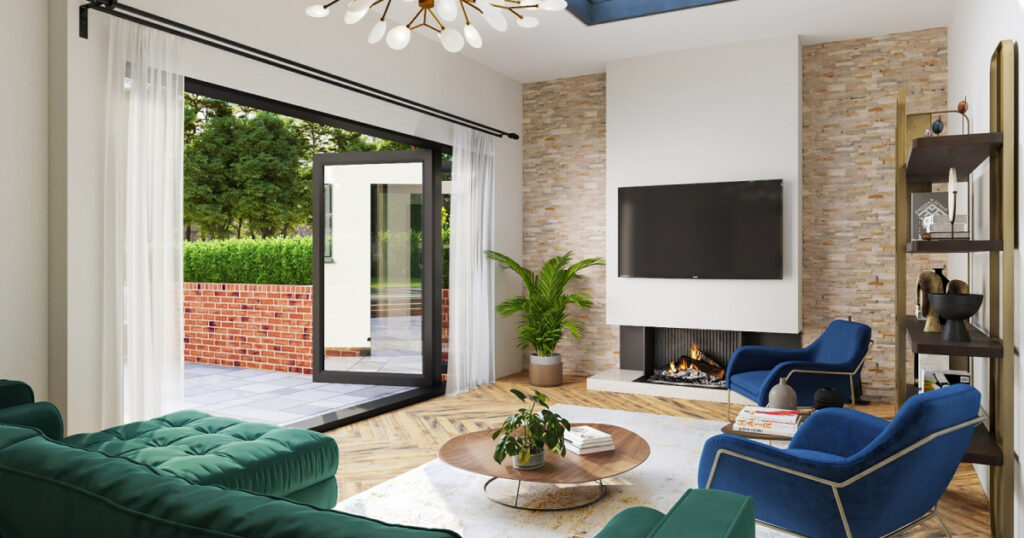
The positioning and size of windows have a big impact on the final image, as do special features such as a feature fireplace or a set of bi-folds. Make sure the CGI company you choose takes all of this into consideration before you decide which rooms to go for and why.
3. The lighting of the room
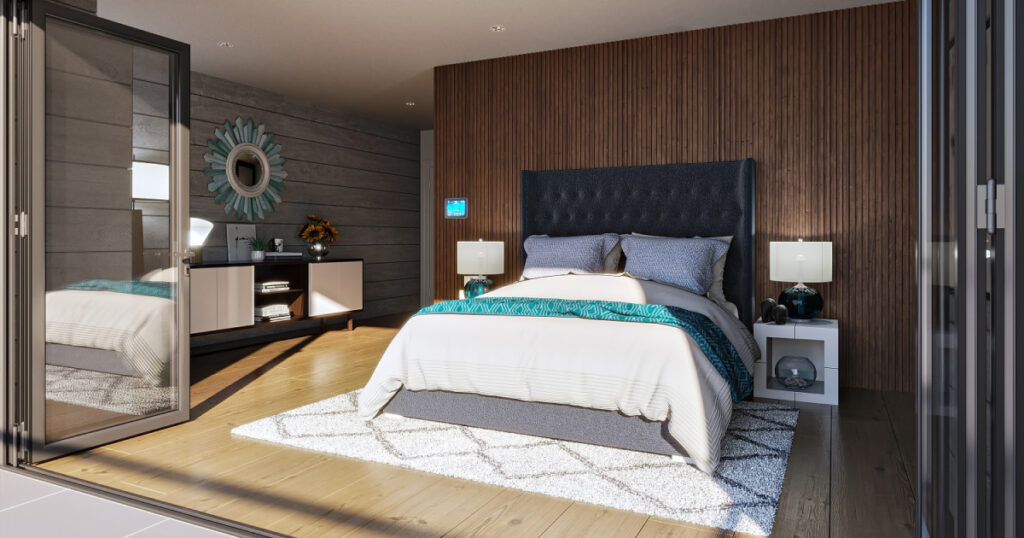
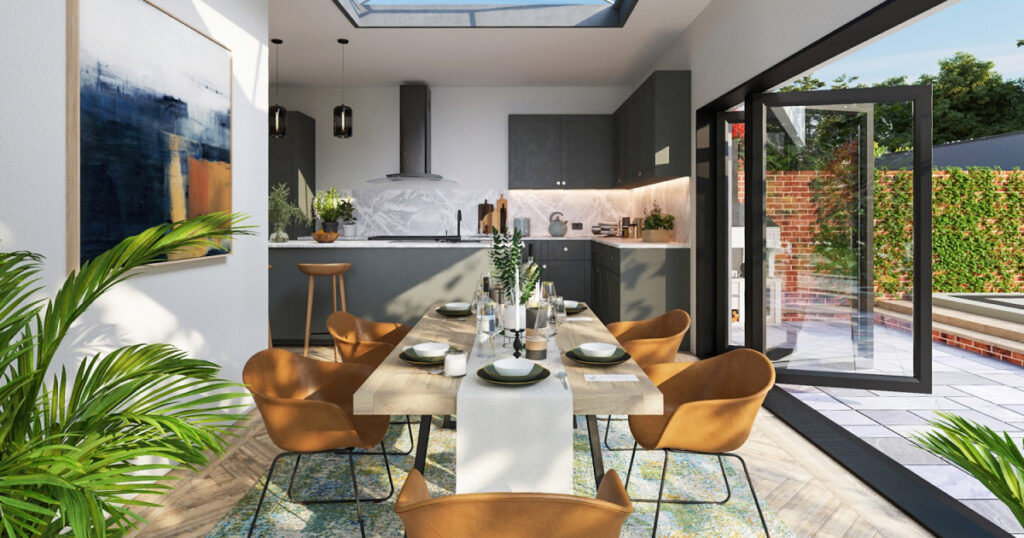
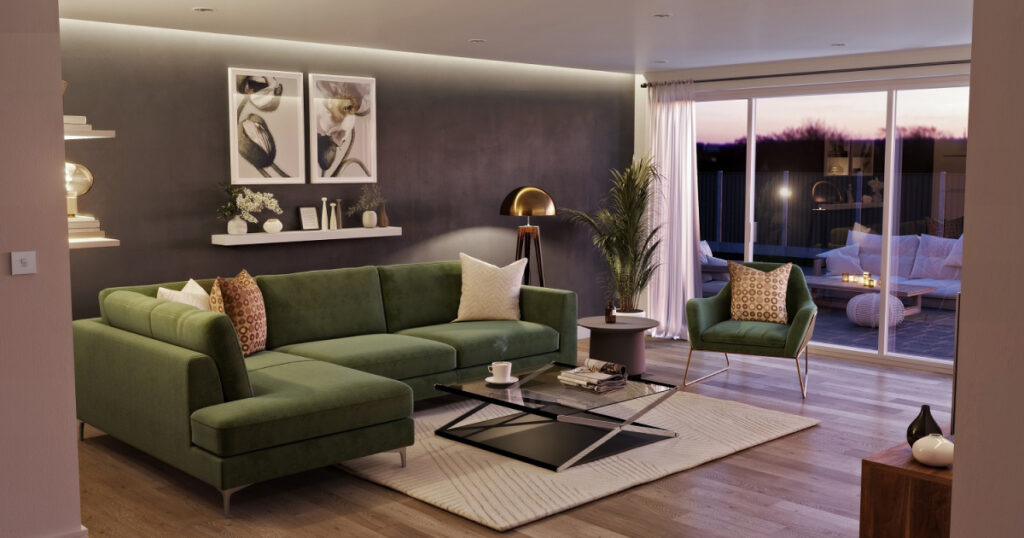
This is one of the key factors in creating a great interior CGI: the light needs to look real, welcoming and warm. The same principles of manipulating light effectively apply to CGI as to photography. However, flooding a scene with bright sunshine can ‘bleach’ a room, so care is needed to get the lighting just right. It needs to be clear where in the sky the sunlight is coming from, whether or not the window is visible, which means the intensity of light will vary across the image as it would in real life.
The images you commission need to impress your potential clients, and a poorly lit image will never evoke the gasp you’re after. There is also much that can be done with light variation, such as adapting a shot from daylight to dusk. When you’re after a welcoming, atmospheric feel, this kind of image can really make your listings stand out from the crowd.
4. Great interior CGI needs realistic detailing
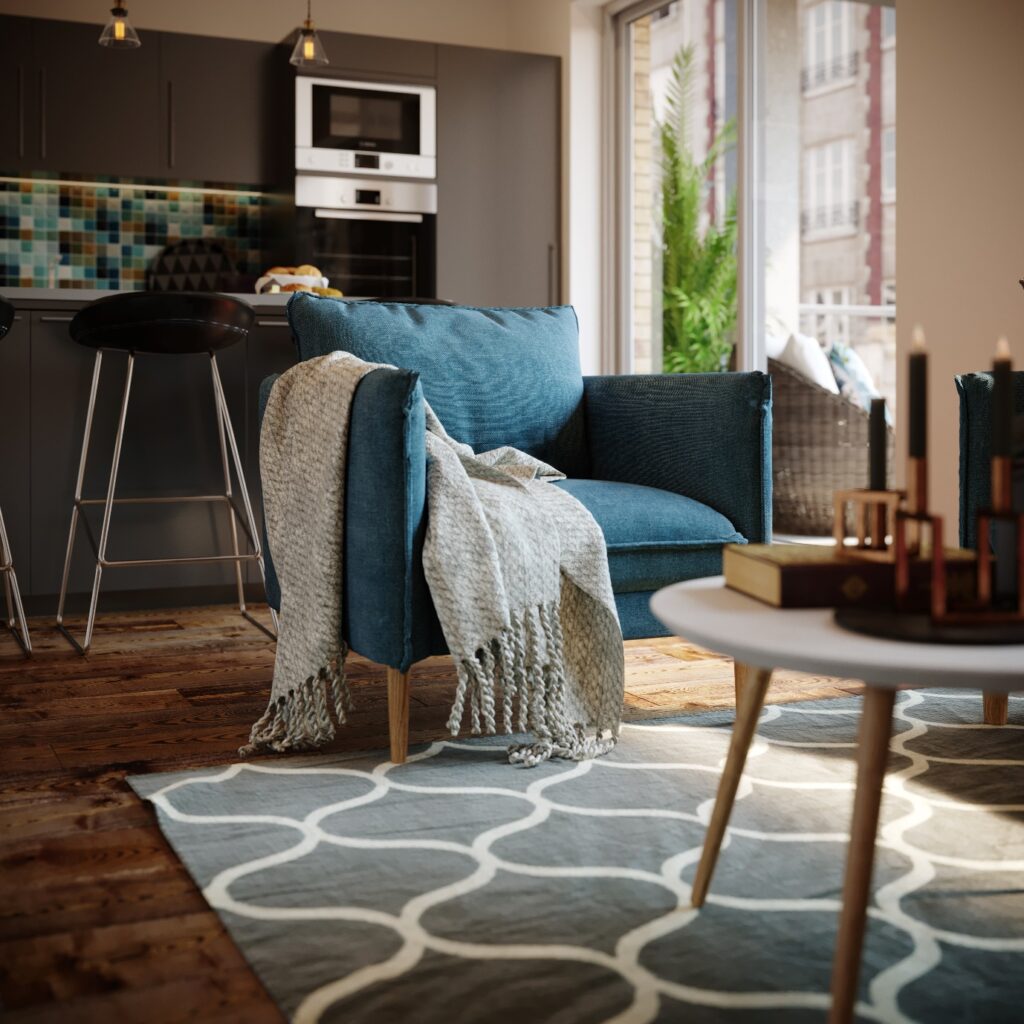
If you’re trying to convince potential buyers of the quality of your build, doing so with poor-quality CGIs will most likely have a detrimental effect. The degree of detail in the finishes, fabrics, furnishings and propping reflects the quality of your build. How well do the artists portray detail, and does this happen consistently across all their interior images?
Quite often a handful of the best CGIs are displayed on websites, but that level of quality isn’t consistent. It takes time to get this right, and companies will charge accordingly if it’s part of their process across the board. If you find yourself asking ‘Is that velvet or leather?’ or ‘Is that oak or MDF?’, it’s a potential red flag that needs looking into more closely.
5. Reflectivity and shadowing
Accurate, detailed reflections in windows and kitchen cupboards go a long way to creating a lifelike feel; an absence of them will make an image look dull and flat. Even when a room has to be shown without its window, clever reflectivity and shadowing will still give the viewer a really good feel for where the light is coming from.

The process behind a great interior CGI
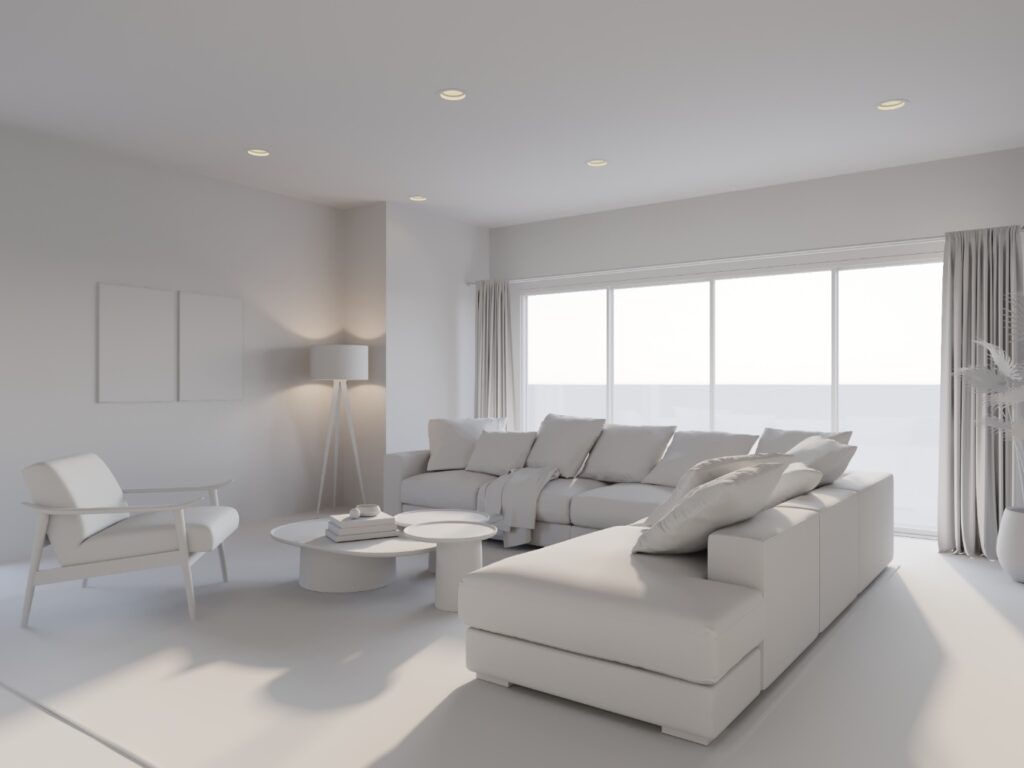
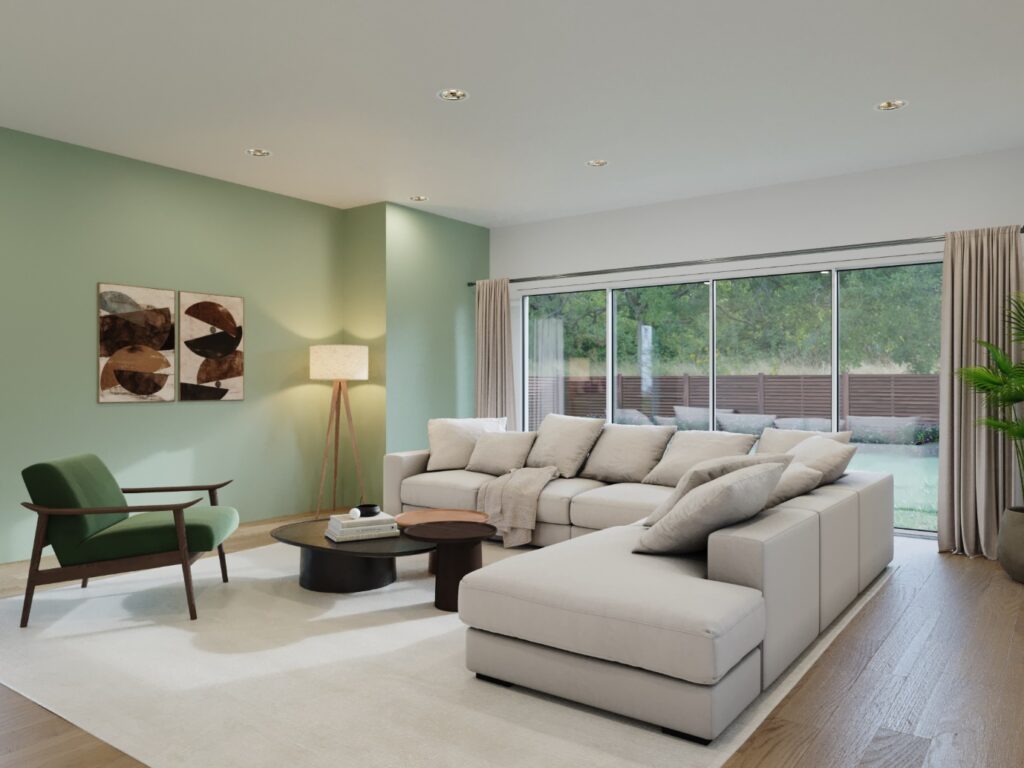
Each of the images above is a finished product, but as with any work of art, the final image is the result of careful, considered layering. The best images benefit from feedback from a variety of experts, improving all the above factors to produce the end result you need.
The images below show key stages an interior image goes through, from the initial white-block stage all the way to a fully finished image.


Conclusion
Commissioning CGI can be a minefield, so make sure your money is well spent by taking the above into account when comparing suppliers. With tight deadlines and budgets that need to be spent wisely, it’s important to understand what you’re getting and whether it will be good enough to do the work you need it to do.
View interior CGINeed CGI for your next development?
Tell us about your project and we’ll come back with a fixed price, usually the same day.