The virtual reality revolution: how VR tools are changing interior design
How immersive VR and CGI let clients judge proportions, lighting and textures before a single wall is built.
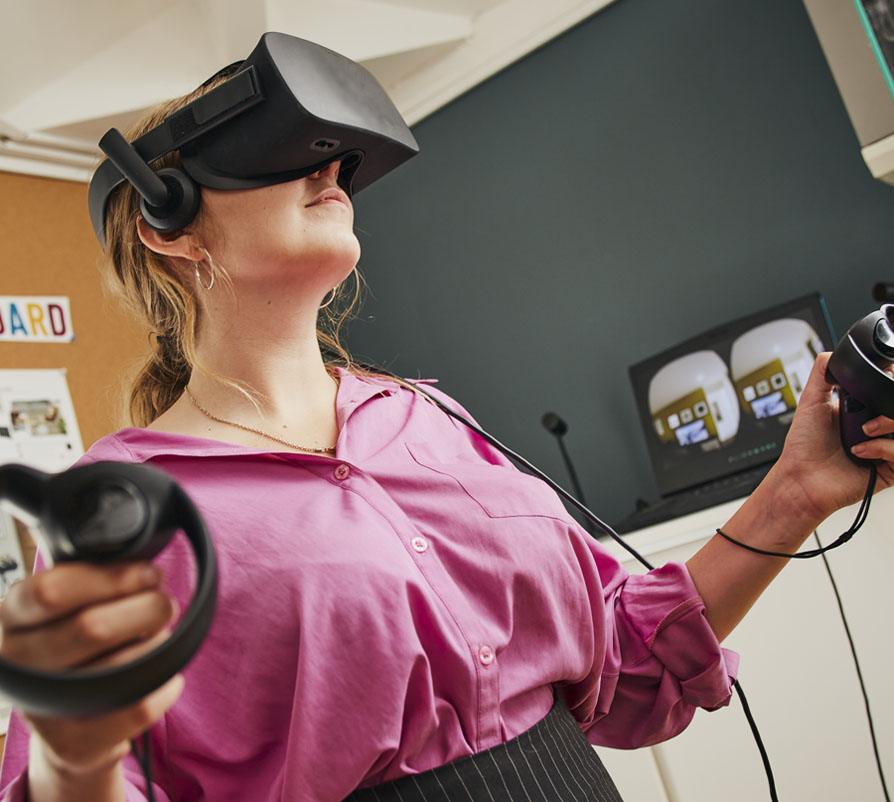
In the ever-evolving landscape of technology, virtual reality (VR) has emerged as a transformative force across various industries. One sector that has particularly embraced the virtual revolution is interior design.
Thanks to cutting-edge computer-generated imagery (CGI) and VR tools, designers can now step into a virtual realm to create and experience spaces in ways unimaginable just a few years ago. In this blog, we’ll explore the profound impact of VR on interior design and how it is revolutionising the way spaces are conceptualised, visualised, and brought to life.
Bridging the imagination gap
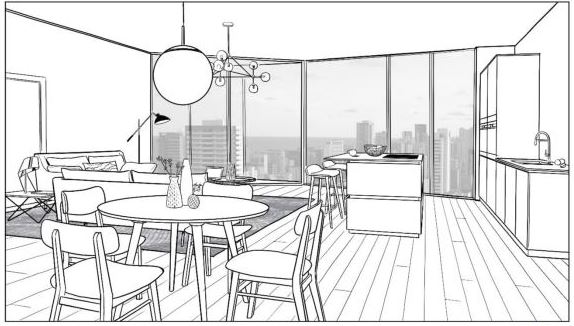
Traditionally, interior designers relied on sketches, 2D drawings, and physical prototypes to convey their vision to clients. However, these methods often fell short of truly capturing the essence of a space. Enter virtual reality, where CGI takes centre stage.
With advanced VR tools, designers can now transport clients into a three-dimensional, immersive environment, allowing them to experience a space before it even exists. This not only bridges the imagination gap but also fosters better communication between designers and clients, ensuring that everyone is on the same page from the very beginning.
Realistic visualisations with CGI
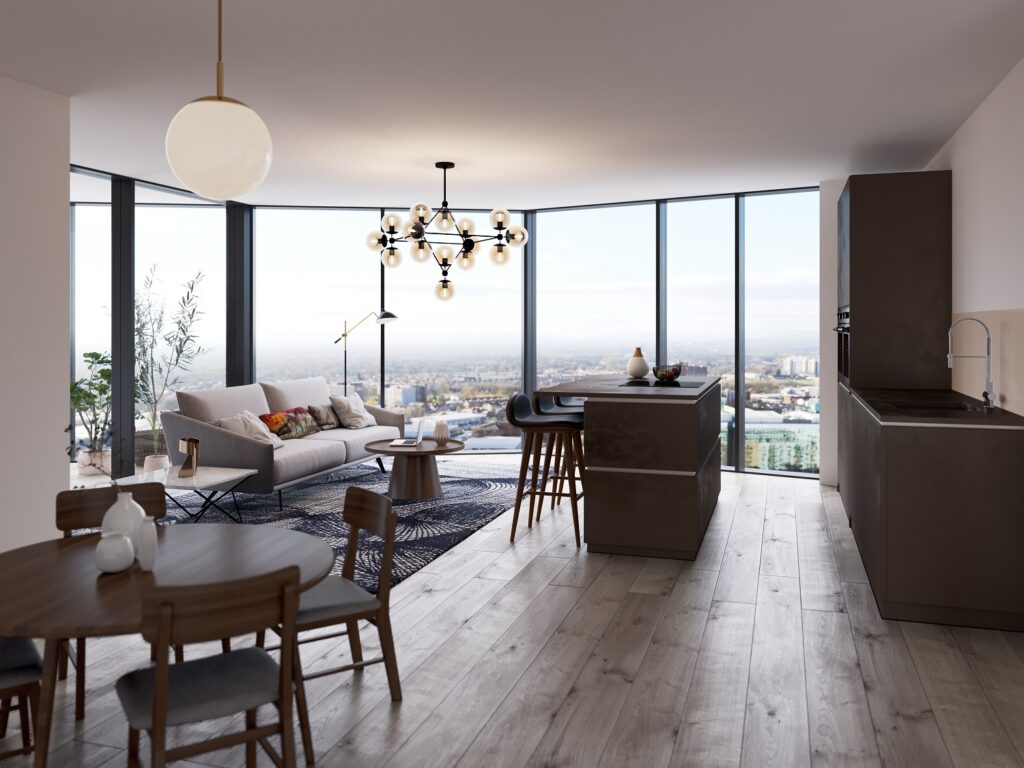
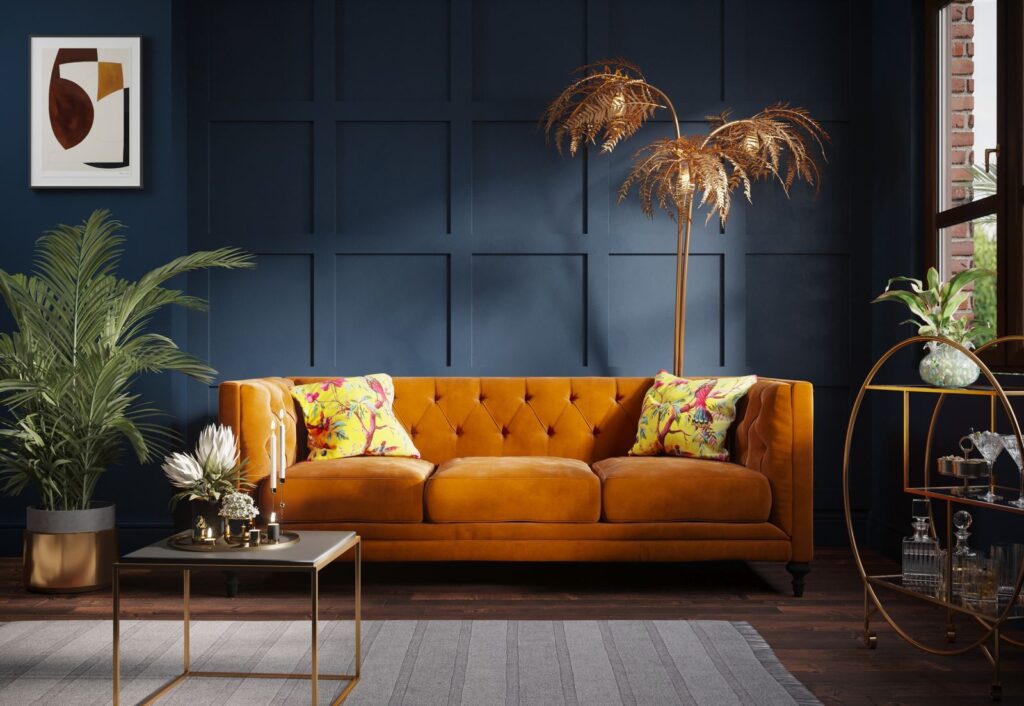
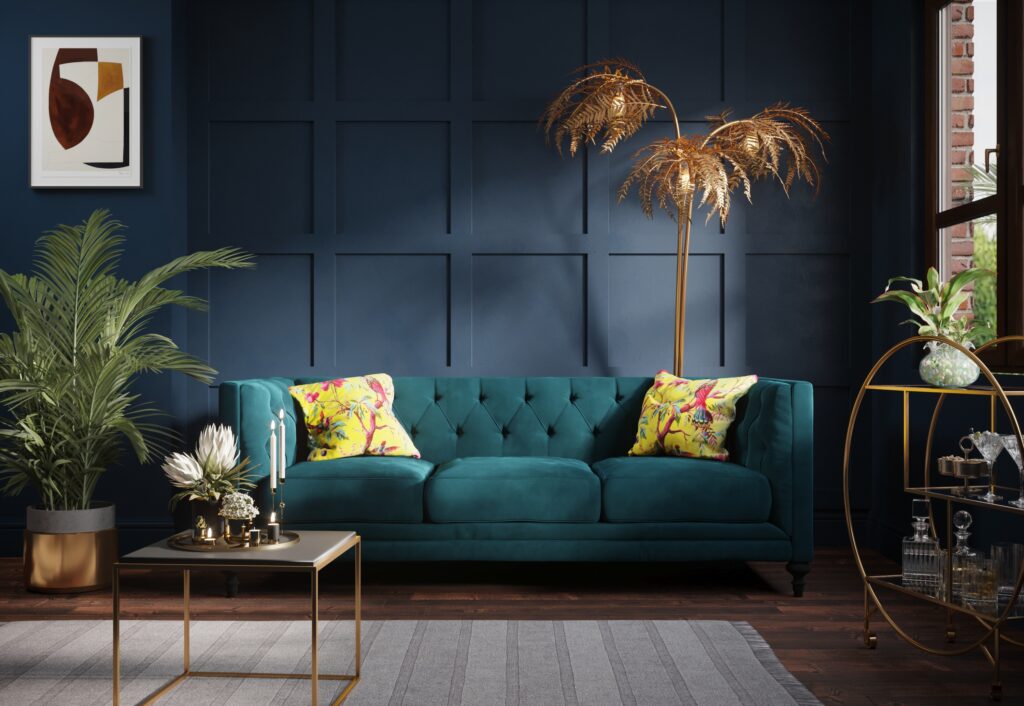
CGI has elevated the quality of visualisations in interior design, providing a level of realism that was previously unattainable. Designers can create lifelike renderings of spaces, complete with accurate lighting, textures, and furnishings.
This level of detail enables clients to make more informed decisions about colour schemes, materials, and layout, leading to a more satisfying end result. The marriage of VR and CGI allows for a dynamic and interactive exploration of these realistic visualisations, giving clients a sense of the space’s flow and ambiance.
Streamlining the design process
The traditional design process often involved multiple iterations and revisions, leading to increased project timelines and costs. VR tools, powered by CGI, streamline this process by allowing designers to make real-time adjustments in a virtual environment.
Clients can provide feedback instantly, and designers can implement changes on the fly. This not only accelerates the design phase but also enhances collaboration between designers, architects, and clients, fostering a more iterative and efficient workflow.
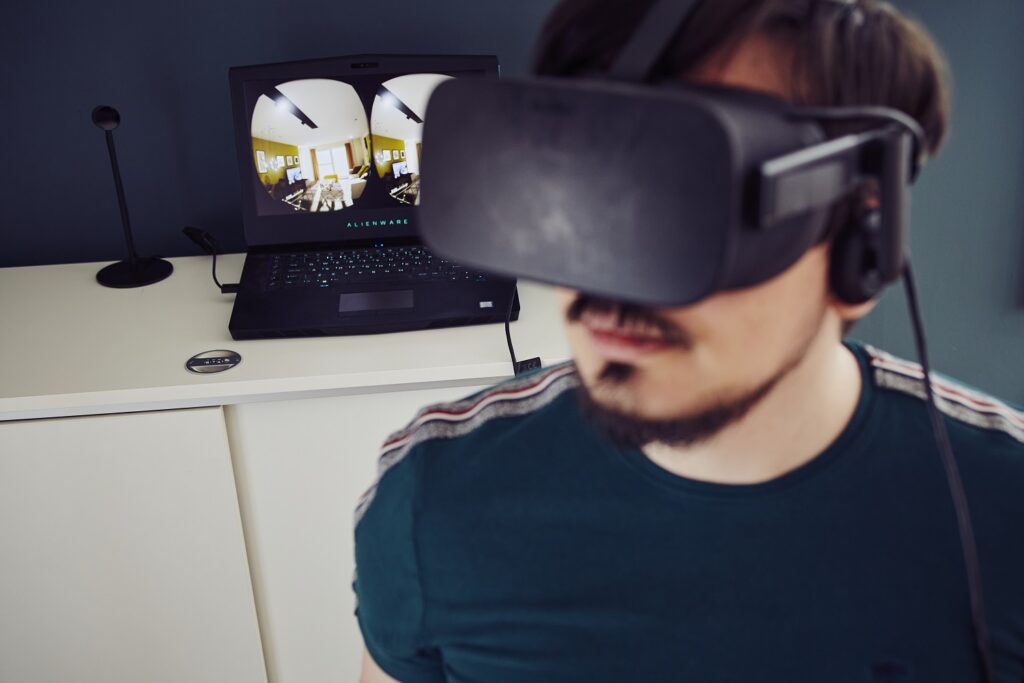
Enhanced client engagement
Virtual reality has transformed client presentations from static displays to immersive experiences. Clients can now “walk through” their future spaces, gaining a sense of scale and proportion that is impossible to achieve with traditional presentations.
This heightened level of engagement not only captivates clients but also inspires confidence in their decision-making. The ability to experience a design in VR before it is implemented minimises the risk of dissatisfaction, resulting in more successful and client-centric projects.
Future trends and possibilities
As technology continues to advance, the future of VR in interior design looks promising. The integration of augmented reality (AR), artificial intelligence (AI), and other emerging technologies holds the potential to further enhance the design process.
Imagine a world where clients can virtually rearrange furniture, experiment with different colour schemes, and receive instant feedback on the practicality of design choices, all in real time.
Conclusion
The marriage of CGI and virtual reality is ushering in a new era for interior design. The ability to visualise and experience spaces in a virtual realm is transforming how designers and clients collaborate, communicate, and bring ideas to life.
With VR tools becoming more accessible and sophisticated, the revolution in interior design is only just beginning. As we look to the future, it’s clear that the marriage of technology and design will continue to reshape the way we envision, create, and inhabit the spaces around us.
Need CGI for your next development?
Tell us about your project and we’ll come back with a fixed price, usually the same day.